A Journey through Time: A Guide to New Zealand’s Past
New Zealand is a beautiful place in the southwestern Pacific Ocean. It has a long history with two main groups of people who came here. First, the Maori people arrived in the 13th century, and then European settlers came in the 17th century. Both of these groups have made a big impact on New Zealand. New Zealand’s remarkable natural landscapes, encompassing majestic mountains and pristine beaches, create a paradise for outdoor enthusiasts. The country’s rich history, coupled with its breathtaking beauty, captivates both visitors and locals. Moreover, New Zealand’s unwavering commitment to equality further solidifies its status as a truly remarkable nation.
This article will take you on a trip through time to learn about the history of New Zealand. We’ll explore how it all started with the ancient Polynesian people and how the country has become the vibrant place it is today.
💻 Table of Contents:
- Ancient Polynesians: Explorers of the Pacific
- The Maori Voyage: The Birth of a Nation in New Zealand
- European Exploration and the Treaty of Waitangi
- Naming New Zealand: The Dutch Exploration and British Anglicization
- History of Gold in New Zealand and the Surge of European Immigration
- European New Zealanders: The Largest Ethnic Group
- Political Revolution and Women’s Right to Vote
- Chatham Islands: Where the Sun Rises First in the World
- Modern Challenges: Earthquakes and Volcanoes in New Zealand
 |
| Image Source: Google: Mountain Cook |
Ancient Polynesians: Explorers of the Pacific
Ancient Polynesians were people who lived a very long time ago in the vast area of the Pacific Ocean. They were skilled sailors and navigators, using canoes to travel across the ocean. These adventurous people settled on many islands, including Hawaii, Tahiti, and New Zealand. Polynesians are one of three main subgroups of Pacific Islanders, with the other two being Micronesians and Melanesians.
The Polynesians had their own unique cultures, languages, and traditions. They were known for their impressive knowledge of the stars and the sea, which helped them navigate the open waters.
One remarkable thing about the ancient Polynesians is that they were some of the first people to explore and settle in these remote islands. They managed to do this without the advanced technology we have today, which is quite an incredible achievement. Their legacy continues in the cultures and traditions of the people in the Pacific islands today.
The Maori Voyage: The Birth of a Nation in New Zealand
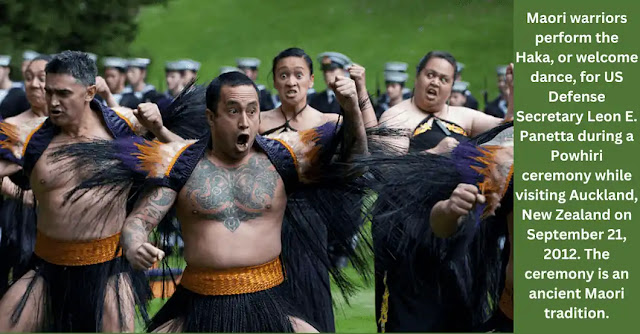
The Maori people are Polynesians, which means they are part of a larger group of Pacific islanders. They are the indigenous people of New Zealand and have their own unique culture, language, and traditions. The Maori are known for their intricate tattoos, called “moko,” as well as their rich oral traditions and tribal communities. They arrived in New Zealand around the 13th century and played a significant role in the country’s history and culture.
The Maori arrival in New Zealand refers to the time when the Maori people, who are indigenous to New Zealand, first came to the country. This happened a very long time ago, around the year 1250 to 1300. The Maori are Polynesian people, and they traveled in big canoes from other islands in the Pacific Ocean to reach New Zealand.
 |
| Image Source: Google: New Zealand Two Maori Women |
When they arrived, they settled in New Zealand and became the first people to live there. They brought with them their unique culture, language, and traditions, which are an important part of New Zealand’s history and heritage. So, the Maori arrival is a significant event because it marks the beginning of the Maori people’s presence in New Zealand, and they have played a big role in the country’s history and culture ever since.
European Exploration and the Treaty of Waitangi:
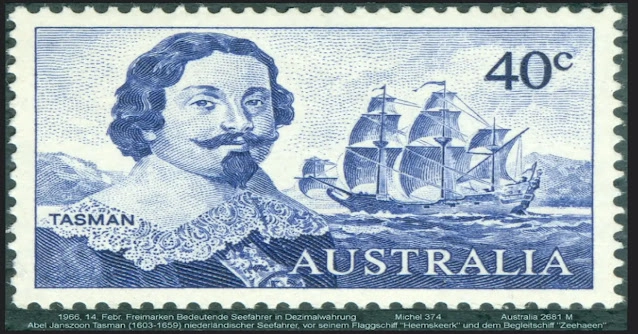
The arrival of European explorers in the 17th century opened a new chapter in New Zealand’s history. In 1642, the Dutch explorer Abel Tasman became the first European to sight the islands, but his encounters with the Maori were marked by violence and misunderstandings. It wasn’t until 1769 that the British explorer James Cook began a more extensive exploration of New Zealand’s coastline, leading to more amicable interactions with the Maori.
The late 18th and early 19th centuries saw increased contact between European traders, missionaries, and Maori tribes. Missionaries played a significant role in introducing Christianity to the Maori and recording their oral traditions. The arrival of European diseases, however, had a devastating impact on the indigenous population, leading to a significant decline in Maori numbers.
The Treaty of Waitangi is a significant historical document in New Zealand’s history. It was signed on February 6, 1840, between representatives of the British Crown and over 500 Maori chiefs.
New Zealand does not have an officially recognized Independence Day in the same way that some other countries do. Waitangi Day commemorates the signing of the Treaty of Waitangi, which is considered the establishment of the nation.
 |
| Image Source: Google: Captain James Cook |
The treaty aimed to establish a relationship between the British government and the Maori people while recognizing Maori sovereignty over their lands. It granted the British Crown rights to govern and protect the Maori, and in return, the Maori were guaranteed their land ownership and the same rights as British subjects.
Today, the Treaty of Waitangi is seen as a way to make sure the Maori and non-Maori people work together and understand each other better. It’s like a symbol of the partnership between these two groups in building the nation of New Zealand.
Naming New Zealand: The Dutch Exploration and British Anglicization
The name “New Zealand” has an interesting history. It was first given to the country by the Dutch explorer Abel Tasman in 1642. He called the land “Staten Landt,” but it wasn’t until 1645 that another Dutch explorer, Hendrik Brouwer, referred to it as “Nova Zeelandia” after the Dutch province of Zeeland.
Later, when British explorer James Cook arrived in the 1760s, he anglicized the name to “New
Zealand.” This name stuck, and it has been used ever since to refer to the country. So, the name “New Zealand” has Dutch origins and was given by European explorers.
History of Gold in New Zealand and the Surge of European Immigration:
When gold was discovered, many Europeans came to New Zealand hoping to get rich. But the 1860s were also a dangerous time. As Europeans took more land and settled in larger numbers, Māori communities had serious disagreements about land ownership and land sales. These tensions led to the New Zealand Wars, which were fights mainly in the North Island between the British Crown’s forces and Māori iwi (tribes) who opposed land being taken.
After the wars, the government passed the New Zealand Settlements Act (1863). This allowed Māori land to be confiscated (raupatu). The government seized land from groups it said were “in rebellion,” and more than 1.2 million hectares were taken. Some land was used to punish Māori communities, and some was given to military settlers. The hardest-hit areas were Waikato, Taranaki, and the Bay of Plenty. The confiscations led to resistance for many years. In Taranaki, leaders such as Tītokowaru used guerrilla warfare to fight back against the government.
Later, Te Whiti o-Rongomai and Tohu Kākahi led a mostly peaceful protest at Parihaka, where people plowed surveyed land to show they would not give up their land. In 1881, the government invaded Parihaka, arrested the leaders, and forced people to leave. Te Whiti and Tohu were sent to the South Island and imprisoned without trial—first at Addington Gaol in Christchurch and later under house arrest.
Large-scale European migration to New Zealand began in the mid-19th century with the New Zealand Company’s organized settlements, which aimed to create colonies and sell land to European settlers. Settlements such as Wellington and Christchurch attracted migrants from Britain and Ireland. The discovery of gold in the 1860s further increased immigration, with many people coming to work in goldfields areas such as Otago and the West Coast. Today, European New Zealanders are a major part of the population, alongside Māori and other groups, and this migration has strongly shaped New Zealand’s demographics and cultural identity.
You May Also Read:
- Political History of New Zealand: From Polynesian Settlers to Modern Nation
- Tasmania’s Dutch Connection: A Historical Journey
European New Zealanders: The Largest Ethnic Group
According to the 2018 Census, approximately 16.5% of New Zealand’s population identifies as Maori, a vital aspect of the history of New Zealand that highlights the enduring significance of indigenous culture and identity in shaping the nation’s narrative. European New Zealanders, mainly of British ancestry, make up the largest ethnic group in New Zealand. In the 2018 Census, approximately 70% of the population identified as European, which includes people of British, Irish, and other European backgrounds.
Land of the Long White Cloud:
New Zealand is a unique island nation, situated quite far from other countries. It’s well-known for its stunning natural beauty. The country boasts diverse landscapes, featuring towering mountains formed by glaciers, picturesque lakes, and lagoons. New Zealand is also home to one-of-a-kind plants and animals, making it a favorite destination for tourists and photographers.
The Maori, who are the native people of New Zealand, refer to their homeland as “Aotearoa,” which translates to “land of the long white cloud” in their language.
All Blacks:
The New Zealand national rugby union team, known as the All Blacks, is one of the most successful and famous rugby teams in the world. They have a remarkable winning record and are renowned for performing the haka, a traditional Māori war dance, before each match. The name “All Blacks” derives from the dark clothing wear by the players, encompassing the jersey, shorts, socks, and boots, all of which were black.
No Snakes:
New Zealand is one of the few countries in the world that does not have any native land snakes. The absence of snakes is recognized to the country’s geographic isolation and the lack of suitable habitats.
Queenstown:
The town of Queenstown in New Zealand is famous as the “adventure capital of the world” and offers a variety of exciting activities. It is also surrounded by breathtaking mountains and is a popular destination for skiing and snowboarding enthusiasts.
Political Revolution and Women’s Right to Vote:
On September 19, 1893, Governor Lord Glasgow did something historic. He signed a groundbreaking Electoral Act into law, and this made New Zealand the very first self-governing country in the world to give women the right to vote in parliamentary elections.
Katherine Wilson Sheppard was the leading figure in New Zealand’s women’s suffrage movement, born in England in 1848 but moved to New Zealand in 1868 with her family. She got involved in different groups, like the Women’s Christian Temperance Union New Zealand (WCTU NZ). In 1887, she was named the WCTU NZ’s National Superintendent for Franchise
and Legislation. In this role, she worked to push for women’s right to vote in New Zealand.
In many other democracies like Britain and the United States, women had to wait until after the First World War to get the same voting rights. New Zealand’s leading role in women’s suffrage became an important part of Political Revolution and forward-thinking that was testing a new social idea. New Zealand’s pioneering achievement in women’s suffrage not only reshaped its political landscape but also became a significant milestone in the history of New Zealand, reflecting its commitment to progressive ideals and social reform.
In the 1980s, New Zealand continued to change its politics in major ways. In 1984, the Fourth Labour Government, led by Prime Minister David Lange, won the election. It started a big plan to reform the economy.
These reforms became known as “Rogernomics” after the Finance Minister, Roger Douglas. The government removed farm subsidies, let the New Zealand dollar float (so it moved more freely), sold some government-owned companies such as Telecom and New Zealand Rail, and made the tax system simpler. Many people say these changes helped bring the economy back, but others say they also caused unfairness and deep social divisions. In the end, New Zealand’s voting system was changed to proportional representation (MMP).
Chatham Islands: Where the Sun Rises First in the World
The area of New Zealand where people see the sunrise first in the world is the Chatham Islands. The Chatham Islands are located about 800 kilometers (500 miles) east of mainland New Zealand. Due to its geographical position, the Chatham Islands are the first inhabited place in the world to see the sunrise each day. This makes it an exceptional location for witnessing the dawn of a new day.
Modern Challenges: Earthquakes and Volcanoes in New Zealand
In the 21st century, New Zealand faced serious natural challenges. In 2010 and 2011, a series of major earthquakes struck Christchurch, causing heavy damage and many deaths. Researchers believe the shaking may have weakened part of Earth’s crust beneath the Canterbury Plains, likely because the earthquakes released unusually high energy and caused wider ground cracking than scientists expected.
Scientists studied seismic data and the rocks below the area to understand how the crust changed. They found a broad weakened zone created by widespread cracking around the fault, not just a small area near it. The researchers say a strong rock layer under the region may have allowed cracking to occur deeper than usual, and they plan to investigate how far that strong rock extends to better assess earthquake risk for communities in eastern parts of the South Island.
The 9 December 2019 eruption of Whakaari/White Island killed 22 people and seriously injured another 22. The study highlights that several factors combined to cause the disaster: the volcano was dangerous and unpredictable, its hydrothermal system under the crater made eruptions more explosive, and the eruption itself produced hazardous conditions near the active vent. The remote island setting also meant that tourists and guides could be placed in extreme danger.
The paper argues that major organisational problems made the situation worse. It points to inadequate information for tourists about how deadly the volcano could be, and procedural and regulatory failures across multiple organisations that were responsible for monitoring, safety, emergency response, and tourism management. Overall, the disaster shows modern challenges for volcano tourism—especially the need for stronger safety enforcement, better communication between agencies, and decisions that do not ignore risk in order to protect tourism income.
Contemporary New Zealand and Conclusion:
Contemporary New Zealand is a nation known for its progressive policies, stunning natural landscapes, and rich cultural diversity. The country has made significant strides in promoting human rights, gender equality, and environmental sustainability. Indigenous Maori culture plays an integral role in shaping the national identity, with the Maori language, Te Reo, experiencing a revival.
New Zealand’s economy has shifted from traditional sectors like agriculture to embrace technology, tourism, and film production, particularly with the global success of movies like “The Lord of the Rings.” The nation places a strong emphasis on environmental conservation, with policies aimed at preserving its pristine environments and combating climate change. This evolving narrative is deeply rooted in the history of New Zealand, where the interplay of indigenous heritage and modern innovation continues to shape its unique identity on the global stage.